
On Positioning
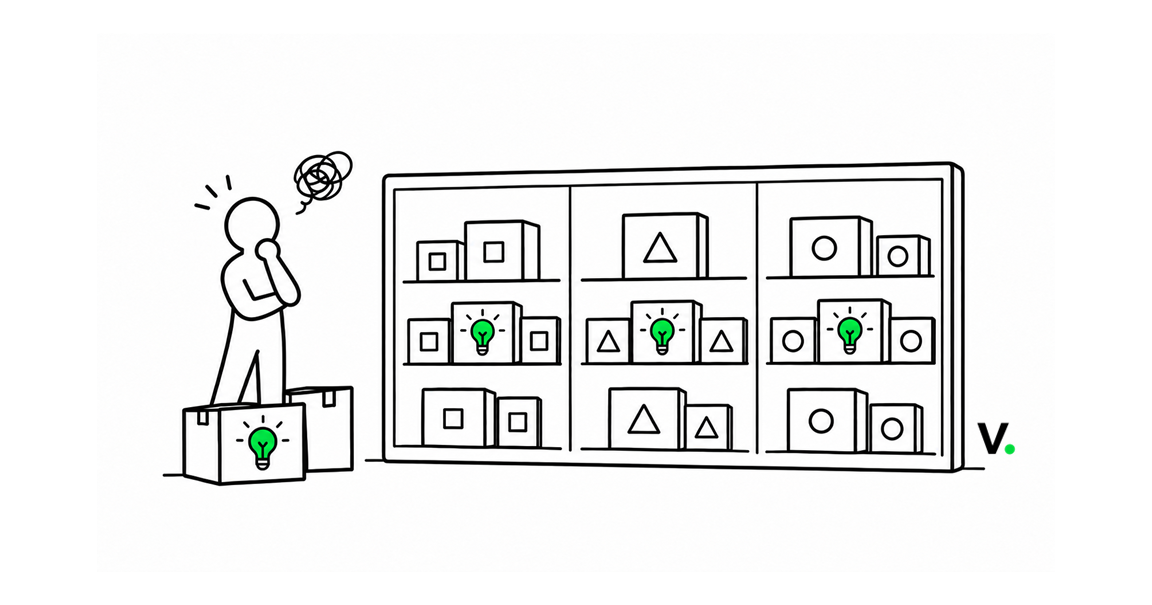
Have you ever felt that for some reason customers are not hearing you? Your product is good, it is better than the alternatives, and you’re sure of its value. But no matter what you do, you can’t get that pull from the market where people would actually come and say, “I have actually been looking for this!” So naturally, you ask your marketing team to put out more content, you hire more salespeople, you attend events, and you basically just go all out.
But results remain the same, and you gather everyone into one room (town hall style). Sales tells you that customers are not interested, and they think you should remake the product (side note: salespeople love nothing more than trashing the product if things don’t work). Your marketing says that you would do better if you start using paid channels or sponsor a few podcasts.
Then one smart person raises their hand hesitantly and says, “I think the issue is that customers don’t know why they should buy our product, so instead of doing more, we should focus our efforts on helping the customer understand why our product is better. I think we should be positioning our product better.” And between the gasps and raised eyebrows (from senior sales members), you think to yourself: Positioning?
There are a lot of them, and only one you
There is no sure answer as to what positioning exactly is or who started it. There is, however, an understanding of what it means and how you should approach it. For example, if you look at the perspectives thinkers have had on positioning:
What customers think our product is;
What they compare us to;
Where we should compete;
What makes us better than competitors;
etc.
You will realize that while different thinkers have thought about it differently, you can define positioning as:
What market/category does a product/company/brand sit in, what does it compete against, what makes it win against others and how do customers perceive it?
Put simply, positioning is all about figuring out the answer to this question. And the sooner you come up with this answer, the better.
Before you hire more salespeople, or before you even have a sales team to begin with, you should have this ready. And you should make sure that everyone understands it.
It could be something as simple as: We sell energy supplements in the form of candy hearts. We exist in the supplement market and compete against other energy supplement products. We shouldn’t compete against candy because we will be judged simply by taste, and our target consumers aren’t people in younger age groups shopping for tasty candy. But we have an easier-to-consume supplement that tastes better than other supplement products. And customers will like us because our product is convenient, easy to consume, easy to carry anywhere, and it doesn’t taste like cough syrup.
Reading that, you will know how you should market and what you should avoid saying. Your sales team will know who to target, and what sales channels are more suitable for you. Your R&D will stop focusing so much on making the product taste better or using cheaper materials to help you lower the price in comparison with other candy products, and will focus instead on including more vitamins (or whatever it is energy supplements include).
Not only that, you can start positioning your competitors. You can make the customer understand why you, by saying why not them, and include “A healthy taste that you will actually like” in your messaging (feel free to steal the idea).

Positioning is not just a marketing thing
Notice how I intentionally mentioned the R&D team in the example above? That’s because most founders I listen to talk about positioning as an advertising practice. This is a bigger issue caused by understanding marketing as just an advertising practice, but we won’t get into that now.
Positioning is your compass. It is not just about knowing how to talk to customers about what you have, or about marketing campaigns and sales pitches. It starts internally. It is our own understanding of our position in the market and in people’s minds that should shape everything that we do.
Positioning should help you know what to focus on, how to shape your strategy and how to avoid chasing the wrong thing.
If you sell technology products, F&B, clothes or whatever, positioning will let you know what to make, and it will keep you grounded in who you’re making it for.
Start internally; otherwise, no matter how many times you scream, “we are better than them!”, you’re screaming in the wrong ears.
Lose your compass and you’re lost
There is a price to pay if your positioning is not clear. Some of the things that could happen (or that you can probably already see happening) are:
As mentioned earlier, positioning has to start on the inside to help guide what you make. So if you lose your compass, you’re making things no one wants or has asked for.
This is very visible in the tech (specifically software) category, where building products keeps getting easier. Every day, companies pump out a new product or feature that is meant for no one other than the CEO’s ego. The “just build it, then we will position it” mentality is a misunderstanding not only of positioning, but of what being Lean means, which is the thing that tech bros love to rave about.
Internally, a founder without a clear understanding of their positioning will only seem lost to their team. That is even before discussing strategy.
Your demands of what the team should be doing will become inconsistent. You will cause fatigue from constant changes, a lack of trust in the company’s direction or future, and maybe eventually people walking out. Smart people need to see that whoever is leading the company understands the product, market and customer better than anyone.
On the marketing side, no matter how creative you try to be and how many channels you target, if you’re not saying the right thing, no one will listen.
A lack of positioning is the reason why creativity feels…well, uncreative. Creativity for the sake of being creative can help you capture a lot of attention, but does that necessarily mean the customer will buy whatever it is we sell? Or is it just another “cool ad”? Worse, it can capture bad attention because you could ignore who your core audience is and end up alienating them.
Let it be your guide
Skipping positioning will only make you skippable to customers. Even if they are your right customers, they don’t know that you’re right for them.
There are steps to build a positioning statement similar to the one we did earlier with the supplement example, and we will cover them in a later article. But you can simply think about answering the positioning question, and I’m sure you will come up with something good (you made that product for a reason).
Let positioning be your guide. Don’t set up your business strategy, or even try to build a brand strategy, without knowing it first. And remember: it is not just external. It is not how you talk to customers; it is a clear understanding of who you are, who you’re competing against, what market you’re in, and which customers care about your existence the most.
