
Demand, Need, Or Neither
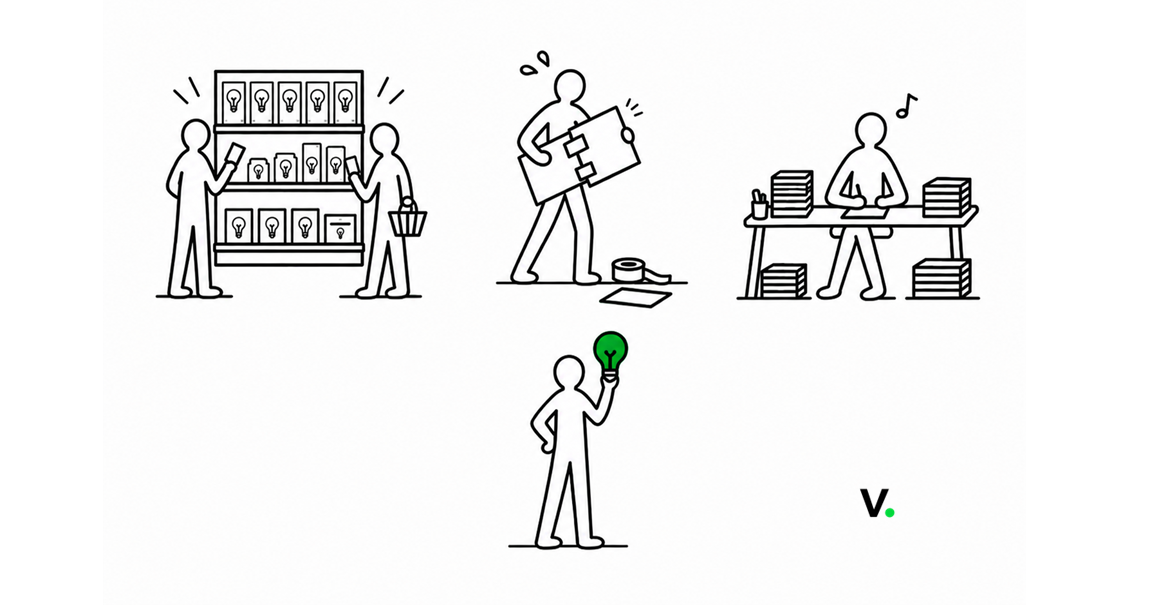
When you think of a product/service that you would like to offer to the market, that idea usually comes from one of three thoughts: “I saw a lot of demand for this type of product/service even though other products/services already exist,” “I feel like people need it, but they don’t know about this type of product/service specifically,” or “I think this product/service will be good, but people don’t know they even need it” (or “I just wanna make money man!”).
These represent the types of markets that you will usually face whenever you decide to provide a product or a service. And they can be simply described as groups of people (or companies, if you’re offering a service to companies, or what we like to call B2B) who already know of a product/service that can solve an issue or meet a need they have, people who have a need or an issue that they don’t know how to solve and are open to ideas, or people who don’t really know they need something or that they have an issue because they have been doing whatever it is they are doing for a while and it’s been working just fine.
We previously wrote about how to detect (or get as close as you can to detecting) demand for your idea, assess its value, and determine whether you can expect people to be ready to buy your product.
But the kind of market you will face depends on what you offer, where you offer it, and when you offer it. You can have something that is better than what’s on the market (Think of a revolutionary product that could make us stop using Excel spreadsheets. We can only wish.), you can offer something that no one else has offered but that will solve a problem people have made clear they want to solve (think of whoever invented umbrellas), or you can offer something that is completely new to people and will end up creating a need (imagine social media at the start).
“Just go for the sure thing,” they say
Now, the logic has always been to go for the first (or follow a blue ocean strategy and go for the second). ’Cause the first is the sure thing. That’s why there are many other companies in this market: there is huge demand. Why try to address an unmet need? If that need were there, after all, someone else would surely have taken care of it. Or why even bother trying to build something that people don’t know they need?
But with that mentality, we would never have had any innovation. And maybe we would have settled for having two brands of cereal, ’cause that would be more than enough.
And this is not why demand and market assessments exist. They exist to help you assess the market, not to guarantee demand or to dissuade you from doing anything if demand is not extremely high. So, it is better to treat the three potential markets you face as exactly that—potential markets—and know what to expect from each of them.
We want more of this! But cheaper! Or better!
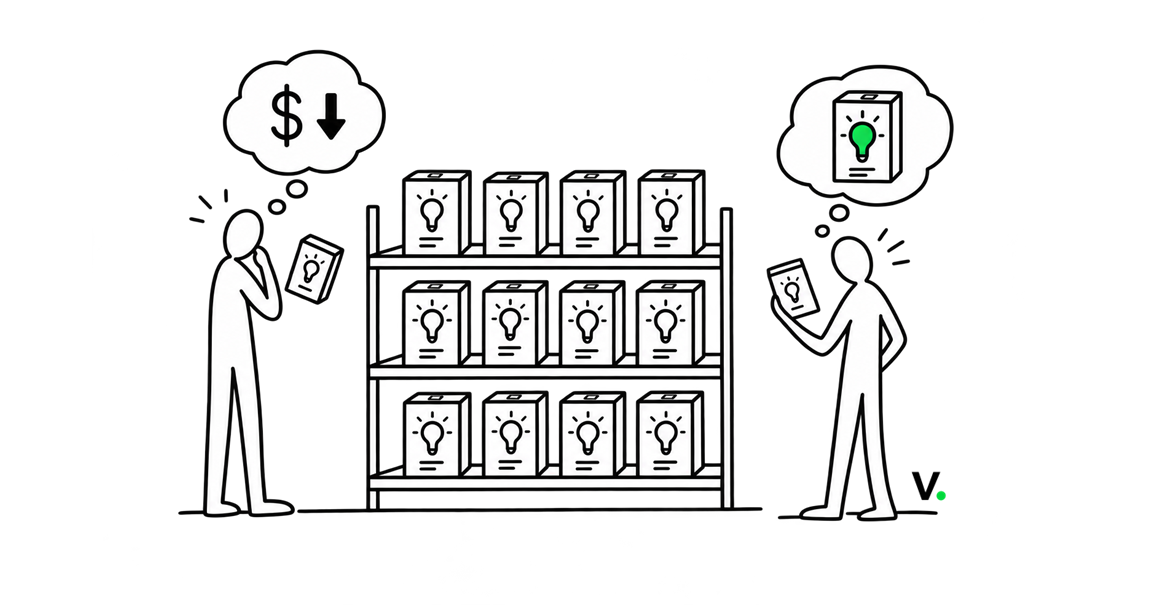
There is a lot to say about the first category of markets. First, we all belong to this category in probably more than one market. It seems that choices are what we expect, so we want more, better, and hopefully cheaper products and services than the ones we have.
We can have 100 coffee shop brands, but you would probably visit that new shop once a friend tells you that it is the hot new place. Protein bars started at 5–7 grams of protein per bar, and even though now some contain upwards of 30 grams, we’d probably still be interested one day in ones that offer, say, 70 grams (I want all my protein in one bar, please, so I can get over the stress of counting).
That being said, it doesn’t mean that just giving people something new would instantly translate into a huge influx of money. Don’t forget that a lot of brands enter the market with a bang but exist quietly after a short period of time, once the sound of that bang fades away.
While there is a sort of guaranteed demand for the type of service you’re offering, that demand is already being satisfied by other providers—more established brands offering products that are already good enough. So, you should expect the following (but not only the following) when you enter such a market:
You will enter the market straight into competing mode. And you have to quickly position (more on that in a later article) your product and service against competitors to let customers know why you’re better.
The “we have been using this and are used to it” mentality is very hard to beat. You will need strong marketing channels that communicate your positioning constantly to your target customers (but don’t overwhelm them).
You will not, however, need to educate people on the product. Educating people is a bigger challenge than it sounds (this belongs to the second and third categories). So, expect a market that knows what your product does but still asks, “Why exactly your product?”
You need a clear understanding of what your brand is before going in, and you need to make sure you communicate that well. Are you better and more premium? Are you friendlier and more shopper-friendly (i.e., cheaper)? Or perhaps you’re neither—maybe just cooler (careful of that one).
If you enter a market with very big brands, be wary. They are not necessarily mafia-like (a “This market isn’t big enough for both of us” sort of deal), but they can be very mean and pressure you out of the market with discounts, better shelf space, etc.
If there is one piece of advice I can give you before going into this market, it is “Know thyself.” It is very important to know what your brand stands for and why you are better, and then focus all your marketing power on saying that.
Has no one thought about how to do this yet?
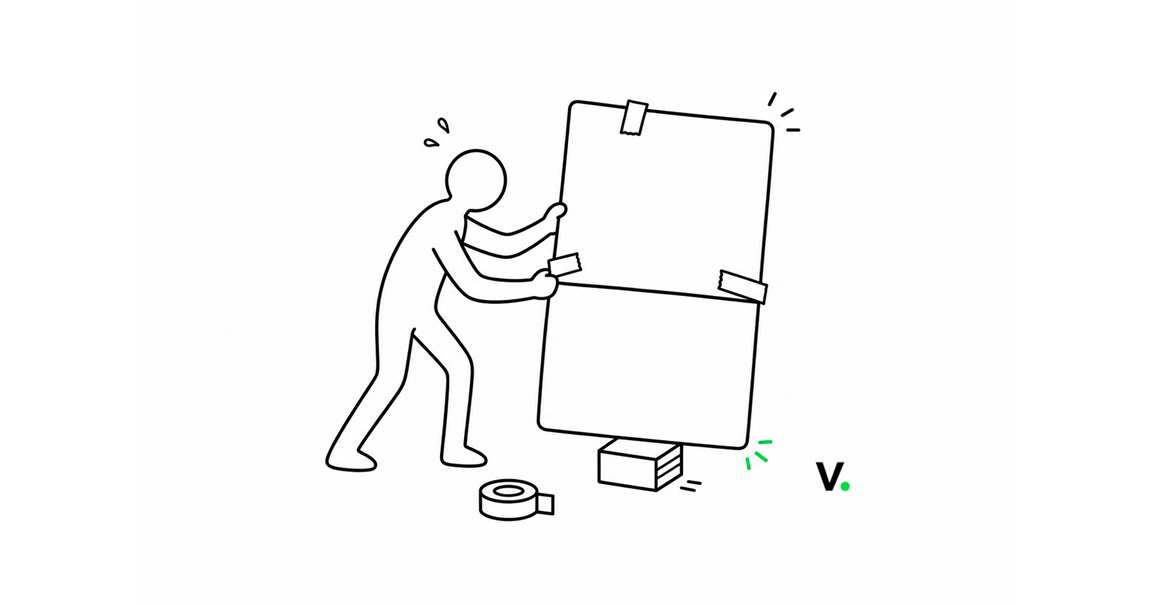
We have all been there: we have this itch that no product can scratch, a need that seems very specific to us. Why can’t I just do all my taxes at the click of a button on some online platform? Or why is there no lactose-free, high-protein, low-carb, low-calorie pizza yet? (If there is, please drop me a message.) And it often seems that this need is very specific to us, especially if you ask your friend, “Don’t you ever…?” and they give you “that look.” But chances are, we are not the only people with this need, and there are many people out there who want to solve the same issue.
Now, when you get the idea for your product, I’m sure you have your eye on a certain need that is not being met by any products. And the demand assessment is supposed to help you assess that need, or at least find out whether it really exists.
And this market can be truly rewarding. We are quite appreciative of anyone who helps us with something that we were having trouble with. And so, we feel the same way about products and services that help us fulfill a need or solve an issue that no one else has been able to solve. Those rewards can be multiplied many times over if you have built a unique advantage or something others can’t easily replicate (at least for a long time).
But where there is reward, there is challenge, and it can be very challenging to target these markets. So, when you enter these markets, you can expect the following (again, not only the following):
Convincing customers that their need can be solved with your product or service is not an easy feat at all. You can expect a period of free trials and the need to meet your customers where they are (either physically or through your marketing) so that you can explain why this works for them.
Customers still need to be educated on your product. At the very least, you need to tell them how to use the product and explain exactly how it solves the need.
The above two points should make it clear that this won’t be fast. It won’t be as slow as it is with the last type of market, but it will still take time because we are creatures of habit. Even though we have a need, we won’t just change our habits once this need is solved (I might love the low-carb, low-fat, lactose-free pizza, but it doesn’t mean I will eat it every time I want pizza).
Your marketing has to show people why this product solves their need. Avoid flashy marketing like “This is the best new thing and no other thing exists like this” ’cause that tells people literally nothing about why they should use it. Go instead for “Don’t you hate when you ___? Here is ___ for that.”
The advice that you should take with you into this market is to be patient. You have already found a need that people have, and with time and effort, you can teach them why your product/service is what they have been looking for.
Life is good… Wait, what does this do?
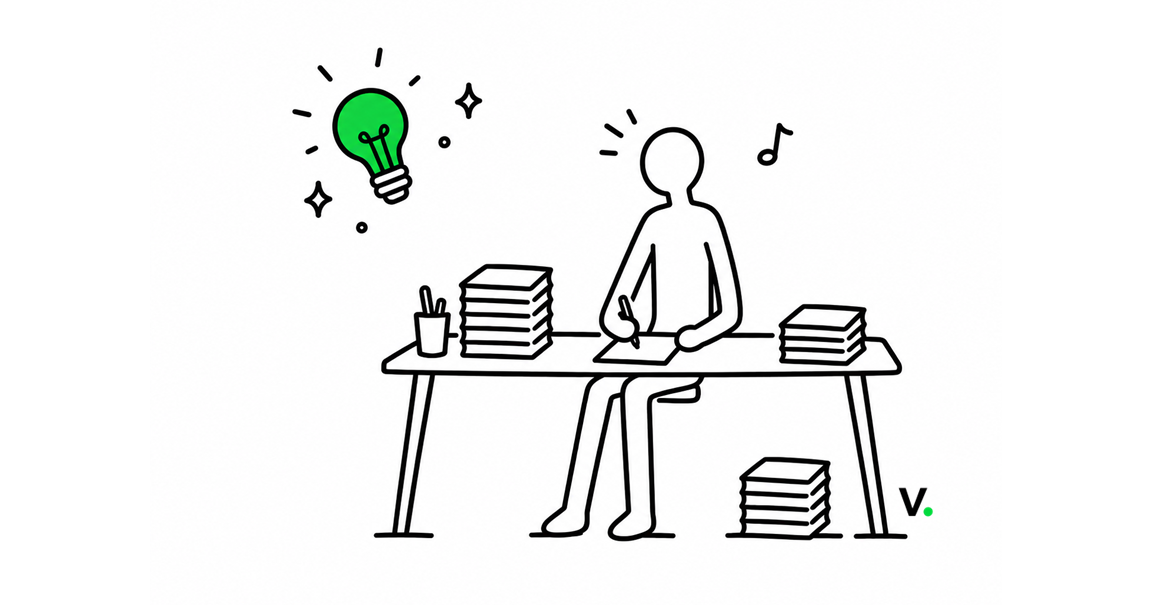
Remember your first interaction with ChatGPT? (No, this won’t be one of those “AI is revolutionary” articles.) All I remember is that one day, I was doing my research by going through every website that appeared on my Google search page, summarizing the results in a note, and then using that in whatever plan or presentation I was working on. The next day, I was just typing, “Give me a summary of why the SaaS market is struggling in the era of AI.” If you had gone back to before I started using GPT and checked on me, I would have looked like I was OK with whatever manual research I was doing, and I genuinely was.
It is only after being introduced to a new concept, product, or way of doing things that we understand that the old way was not working or, at the very least, wasn’t all that comfortable. Think of people before cars, air conditioning, social media, etc. One day, we are living a certain way, and then an invention comes along and shows us that we can live a very different way.
But while all that sounds so good, not all inventions are adopted this easily or prove revolutionary right away. There have been many, many inventions that have come and gone without anyone using them or have remained unused for a long time. This could be because people didn’t feel like these inventions helped all that much (3D TVs), or maybe they were introduced at the wrong time and needed more time or supporting technologies (video conferencing/video calls).
While it is challenging, hard, and scary to make something that solves an issue that is yet to exist and then try to convince people that they have always had this issue, it can be immeasurably rewarding if it works. And not just financially, you’re hopefully offering something of immense value to society. And at least one day, when people ask, “Who made the first solar-powered dryers?” they’ll reply, “Ah, that guy!”
I imagine that you already know what to expect from this market (if you have paid attention while reading about the previous two!):
People really have no idea who you are or what it is that you do. More importantly, they don’t know why they should bother to listen to you.
You will need to educate your future customers, more than you do with the second type of market (like, way more), first on what this product is for and then on why they should use it.
You definitely need to be physically available where your customers are or try to meet them wherever you can. This is always preferred in demand assessment, but in this type of market, it is absolutely necessary because customers’ reactions and feedback to what you offer will be the material you use to enhance everything that you do (from building to marketing). For example, you may see that you need to adjust your messaging so people understand your product better.
Your marketing has to have an educational aspect to it, and you can’t just go for taglines and catchy, flashy marketing (while it might gather attention, this attention can fade quickly if the use case is not understood).
Your competition is your customers’ old habits and the way they did things before you. So, your positioning and messaging should introduce what you offer as “a new way of doing things” because “the old way was not that good for these reasons: ___.”
The advice to carry with you when entering this market is to be flexible while remembering why you did this. It is easy to forget why you started and get discouraged in the face of criticism or an initial lack of interest. And it is also easy to get so stuck on an idea and one way of communicating that idea to people that you end up generating no interest in the idea at all.
So, which one should you go for?
If you’ve been waiting for me to tell you which of these three markets is the best one, I unfortunately won’t. Because there isn’t one.
An existing market gives you proof that people buy this type of product, but you will be competing against products and brands (usually big ones) that may already be good enough for the customer. An unfulfilled need gives you more room to offer something unique, but you still have to show people why your solution is the right answer. And when people know neither the product nor the need, you have the opportunity to introduce something genuinely new and revolutionary, but you also carry the much heavier task of convincing them that the way they have always done things could be better.
None of them is necessarily the wrong market to enter. Just know which one you are entering and what it will demand from you.
